
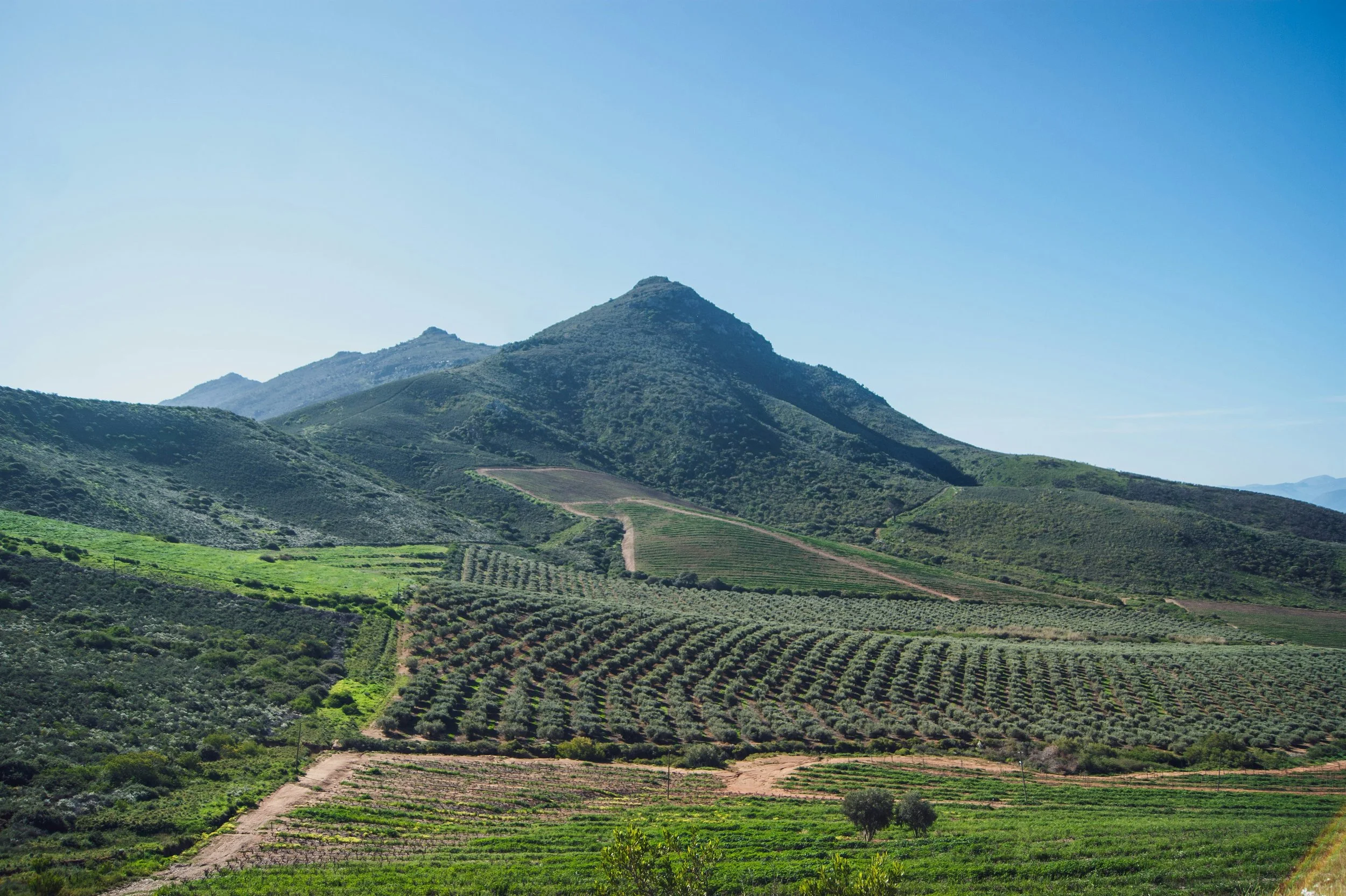
Projects
PROJECTS
Economic Planning

DDM/JDMA Policy Position
-
Urban-Econ Development Economists in partnership with Urban-Econ Nikela had been appointed by the South African Local Government Association (SALGA) to conduct a Review of the District Development Model/Joint District Metro Approach Towards a SALGA Policy Position. This project is concerned with the District Development Model (DDM) and the Joint District Metro Approach (JDMA) model. The data collection tool was used to gather data from municipalities with the main objective of soliciting their own perceptions, experiences and thoughts about the DDM.
The study used this primary data to develop a sound SALGA position on the implementation modalities of the DDM nationally and JDMA in Western Cape municipalities. The project determined the experiences of municipalities against these findings towards the development of a SALGA policy position.
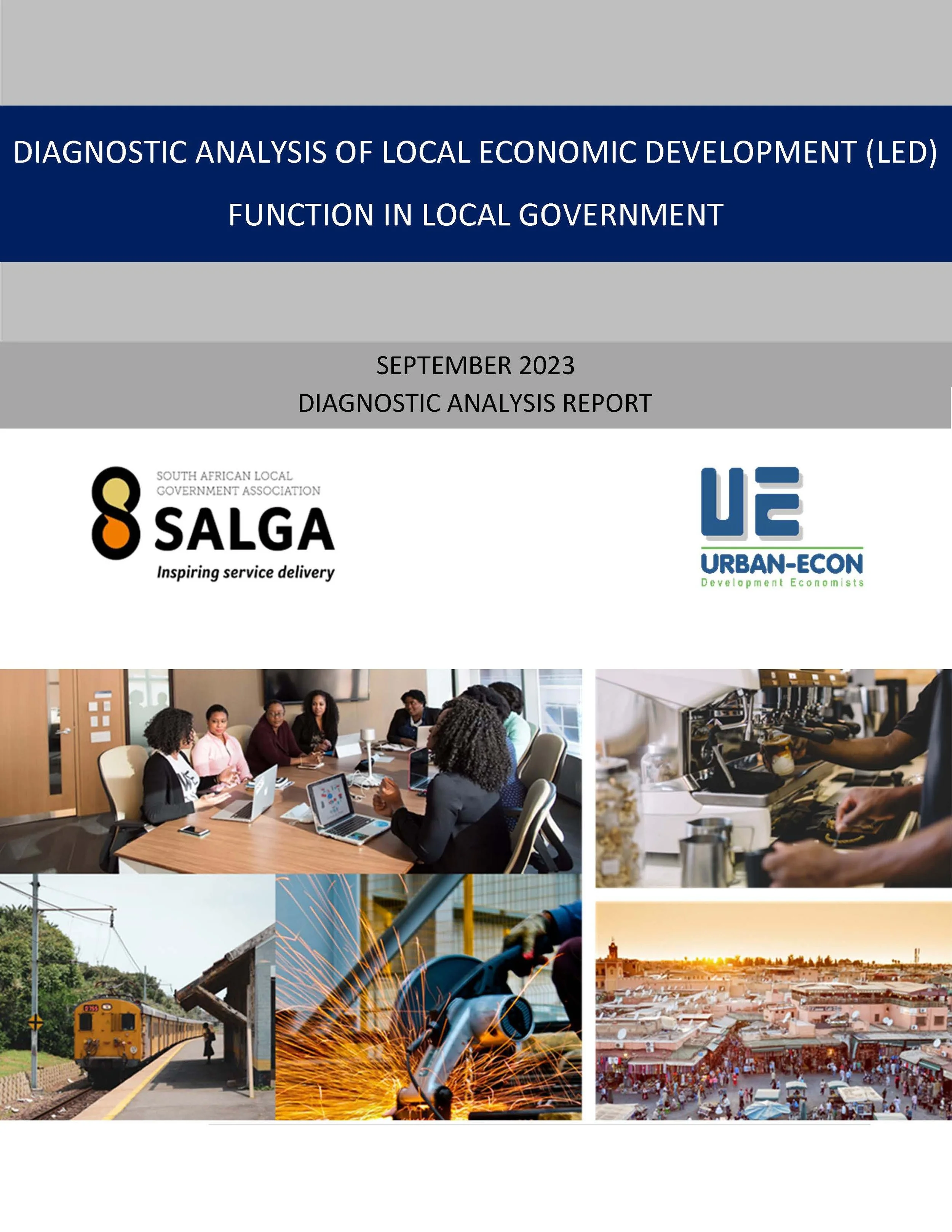
Diagnostic Analysis of Local Economic Development (LED) Function in local government
-
The project had a comprehensive scope, aiming to examine the Local Economic Development (LED) function as a whole in South Africa. The primary objective was to assess the institutional infrastructure supporting LED, identify the necessary resources, and evaluate the processes and support required to enhance its effectiveness.
Through extensive research, data analysis, and stakeholder consultations, the project sought to gain a deep understanding of the current state of LED in South Africa, including its strengths, weaknesses, challenges, and opportunities. The focus was on identifying gaps and areas of improvement in terms of policy frameworks, coordination mechanisms, funding mechanisms, capacity building, and knowledge sharing. By providing a detailed analysis of the institutional landscape, resource requirements, and necessary support mechanisms, the project aimed to contribute to the enhancement of LED in South Africa, facilitating more effective and impactful local economic development initiatives across the country.

North West Biodiversity Strategy and Action Plan 2030
-
Urban-Econ Development Economists (Urban-Econ) has been appointed by the Office of the Premier (the “Client”) of the North West province of South Africa to undertake an economic forecasting and modelling exercise. This economic forecasting and modelling exercise is aimed at supporting the parallel process of drafting of the North West Provincial Development and Growth Strategy (PDGS). It was found that the North West economy is not providing the requisite number of employment opportunities or the desired standard of living for the residents of the North West.
This is reflected in the GDP per Capita, HDI, and unemployment figures. The final finding of the Economic Modelling and Forecasting Report is that the North West provincial government must focus on building logistical infrastructure, energy infrastructure, and water infrastructure and seek to provide these basic amenities to the North West economy.
PROJECTS
Agribusiness

Part Study on the Cost of Compliance and Role of Women within the Essential and Vegetable Oil Industry (2025)
-
Location: South Africa
Urban-Econ Development Economists was contracted by UNIDO to conduct a situational analysis of the South African essential and vegetable oil industry as part of Phase II of the Global Quality and Standards Programme (GQSP). The study focused on two key aspects: the cost of compliance for SMEs and the role of women in the value chain.
The research aimed to identify barriers to market access by assessing the financial burden of meeting international quality standards and exploring alternative models, such as cooperatives and clusters, to reduce compliance costs. It also examined how improved access to information and training could support SMEs in adopting sustainable quality management systems. Additionally, the study highlighted the significant contributions of women in the sector, identifying challenges they face and proposing measures to enhance inclusivity and gender equality. Key Tasks Conducted by the Project Team:
Industry Situational Analysis - Assessed market trends, key stakeholders, competitiveness, and regulatory frameworks.
Stakeholder Engagement - Conducted interviews, workshops, and webinars with producers, processors, and regulators.
Gap Analysis on Women’s Role - Evaluate women’s participation, challenges, and opportunities for inclusion.
Comparative Compliance Cost Study - Analysed costs across production models and identified cost reduction strategies.
Entrepreneurial Ecosystem Assessment - Examined support structures, financial services, and digital tools for SMEs.
The findings were compiled into two reports, one addressing compliance costs and the other focusing on women's empowerment, providing practical recommendations to improve SME participation, sustainability, and market competitiveness in the essential and vegetable oil industry.

GDARDE Feasibility Studies and Business Plans for a Period of 4 Years (2019-2023)
-
Location: Gauteng
Urban-Econ Development Economists (Pty) Ltd was appointed by the Gauteng Department of Agriculture, Rural Development and Environment (GDARDE) as the service provider to develop 150 feasibility studies and 150 business plans for enterprises in the Gauteng Province. The appointment included both primary production and agro-processing enterprises. In terms of primary production, the main commodities included livestock (pigs, poultry, cattle, cattle), grains (maize, soya, sunflower), or horticulture (vegetables and mushrooms). Whereas the agro-processing enterprises focused mostly on vegetable, meat, and grain processing. Each business plan included a detailed financial model with a ten-year cash flow forecast.
Urban-Econ successfully completed the assignment, which covered the following aspects:
Visiting 150 projects as part of the initiation phase of the individual projects.
To conduct feasibility studies for 150 agriculture and agro-processing projects as identified by GDARDE.
To develop 150 business plans for projects identified as feasible.
Capacity building to Agricultural Economic Services Officials associated with the programme, training provided was on report writing, business plan and feasibility study development, steps on how to develop a questionnaire, and how to develop a financial model.
To plan and budget for monthly progress project meetings.
To provide monthly reports that reflect expenditure patterns and project progress on project implementation and execution as per the phase of each deliverable.

Lesotho Commercial Agricultural Feasibility Assessments (2019)
-
Location: Lesotho
Urban-Econ Development Economists was appointed by the Lesotho National Development Corporation to review the beef industry as well as to develop feasibility studies for the poultry (broiler and layer) dairy, and piggery sectors in Lesotho respectively. The four (4) individual reports focus on the current stance of the various industries in Lesotho. The team also undertook case study reviews on best practices in various countries with similar dynamics as Lesotho to get an idea of the capabilities of the country. Lesotho’s results were benchmarked against international best practices to highlight their stance in the market. After key role-players were identified and the team also consulted stakeholder engagements with the main stakeholders identified to gather primary information on the various sectors.
The team further conducted secondary research to identify all the possible gaps and opportunities along the various value chains. From the gaps and the opportunities identified the team then identified short-, medium, and long terms opportunities that the LNDC could focus on that would ensure the commercialisation of the industries, The team conducted various site visits to identify possible sites for the projects identified, Environmental assessments and resources assessments were done in order to recommend the correct sites for development. Furthermore, the team developed high level financial to highlight the viability, feasibility, and profitability of each of the short-term development projects identified. The cost of operation was also calculated and an implementation plan linking to specific timeframes.

SASA Molasses Notional Price Determination (2022)
-
Location: South Africa
Urban-Econ Development Economists was appointed by the South African Sugar Association (SASA) to conduct an independent review assessment of the value-chain analysis and determination of the fair value of sugarcane molasses in South Africa. The project’s objective was to undertake a comprehensive review of the molasses market and associated dynamics in South Africa to achieve an objective and credible recommendation for the notional local market price of molasses.
The project entailed the following:
Determine the size of the molasses market in South Africa, segmented by the different types/qualities of molasses.
Quantify the amount and type (quality) of molasses used by various sectors in South Africa. Provide a comparison of South African-produced molasses versus imported molasses.
Assess the importation of molasses into South Africa and identify main sources and prices.
Understand the volumes and prices of molasses available for import from Southern African Development Community (SADC) countries.
Provide an estimated export parity price for molasses.
Propose a notional local market price for molasses to be used for the 2021/2022 season.
PROJECTS
Property Research

Mogale Mega/Smart City Feasibility
-
North West Province, South Africa
Urban Econ was appointed to perform a socioeconomic impact assessment to determine the potential socioeconomic implications of the proposed Mogale Smart City, its project activities, and associated infrastructure. The study's goal was to identify, predict, and evaluate the geographical, social, economic, and cultural aspects of the environment that could be impacted by the Smart City's development. Furthermore, the assessment aimed to recommend the most effective alternatives for mitigating negative impacts to an acceptable level while maximising positive effects.
Atterbury First Land Fresh Produce Market Cost Benefit Analysis for BFI Submission
-
City of Tshwane Metropolitan municipality, Gauteng Province, South Africa
Urban-Econ Development Economists have been appointed by Atterbury to compile a Cost Benefit Analysis for the Atterbury mixed-use fresh produce Agro-Processing Hub in Pretoria. The CBA completed was in order to submit an application to obtain funding or a portion of the development. Urban-Econ built the CBA model, together with compiling a report to be incorporated into the larger project submission for funding.

SA Township Infrastructure Needs Assessment
-
South Africa
Urban-Econ Development Economists were appointed by the DBSA to conduct a research study to assess the present and prospective conditions, needs and costs regarding infrastructure in South African townships. The study focussed on four townships in metropolitan municipalities namely, Soweto (City of Johannesburg), Khayelitsha (City of Capetown), Mdantsane (Buffalo City) and Mangaung (Mangaung). The key activities of the study entailed workshops with each township’s communities and interviews with government officials and key organisations in the infrastructure sector. Other tasks involved in the study included a literature review, township profiling, determination of costs and revenue of infrastructure requirements and funding and investment recommendations.

Housing Rental Market Covid-19 Impact
-
Gauteng Province, South Africa
As a substantive role player within this market, the GPF invest funds into the affordable rental market, student accommodation and social housing . Urban-Econ was therefore appointed to investigate how the pandemic and associated lockdowns has impacted the housing market in Gauteng.
PROJECTS
Tourism Research

Tourism Professionalisation Strategy
-
Client: Department of Tourism
Location: South Africa
The Department of Tourism aims to igniting excellence by shaping the future of tourism professionalisation, the strategy prioritises the promotion of professions among specific occupations in the tourism sector towards advancing the general status of tourism professionalisation in South Africa.
The objectives of the strategy are to:
Establishing clear educational requirements for the different positions.
Increasing the workforce’s skills through relevant training and educational programmes.
Ensuring that the workforce is equipped with sufficient experience to apply their knowledge and skills in the workplace.
Developing and refining customer service skills to provide outstanding service to visitors.
Facilitating continual professional development and growth for employees.
Establishing professional bodies.
Supporting and equipping industry member associations.
The strategy also provides a Code of Ethics to promote a professional culture within the sector to ensure inclusive and sustainable tourism growth. The code outlines the expected behaviour and ethical standards that all professionals within the tourism value chain should adhere to, as well as, to maintain a high level of professionalism, competency, and credibility. The code aims to develop, encourage, and improve the quality of services provided to visitors, by increasing sector competitiveness, and ultimately promoting sustainable tourism development in the country. It also prioritises compliance with industry regulations and guidelines to ensure that sector professionals operate safely and ethically and that visitors receive high-quality services.
Professionalising the sector will foster professionalism among tourism workers and organisations, leading to improved service quality and a more sustainable tourism sector.

SANParks Brand Awareness Study
-
Client: South African National Parks (SANParks)
Location: South Africa
This research study aimed to evaluate the South African National Parks (SANParks) brand awareness, perceptions, and tourism appeal among the general South African population, explicitly focusing on non-traditional markets. Ask Afrika, in partnership with Urban-Econ conducted the SANParks Brand Awareness Study that provided insights into the overall brand awareness of SANParks and its 21 National Parks. The report addressed the following research objectives:
Determine current levels of awareness of individual national parks amongst the target audience and previous visitation experience.
Among those who have previous visitation experience, measure the likelihood of recommending visitation to family and friends.
Establish high-level perceptions of SANParks as a nature-based tourism destination among the target audience.
Determine what sources of information the target audience peruses when it comes to SANParks.
Recommend to management how to improve brand awareness and perceptions amongst the desired target markets.
Ultimately, the survey findings provide a robust foundation for SANParks to refine its marketing efforts, ensuring that its offerings align with the evolving needs and preferences of its audience while advancing its mission of conservation and sustainable tourism development.

iLembe Tourism Performance Research 2022-2024
-
Client: Enterprise iLembe
Location: iLembe District Municipality, KwaZulu-Natal, South Africa
Enterprise iLember initiated this project to conduct periodic tourism research to measure the performance of the tourism industry within the iLembe region, which will assist with planning and decision-making at a district level. Monthly, Quarterly, Bi-annual and Annual Reports were developed and summarised in a 3-year comparative report. The following indicators were covered in the study:
Number of Tourists
Source Markets (Foreign & Domestic)
Average Tourism Spend (Foreign & Domestic
Demographic Profile
Length of Stay
Purpose of visit (overnight and day)
Type of Accommodation Used
Accommodation Occupancies
Activities undertaken (overnight and day)
Perceptions of the destination
Economic Impact of Tourism
Job Creation Opportunities Created
The study over the three years indicated that iLembe District’s tourism sector had exemplified remarkable resilience and adaptability, evolving from a phase of recovery to stability post-COVID. The initial signs of recovery observed in 2022, with visitor numbers reaching 777,189 and contributing R5.5 billion to GDP, laid a strong foundation for subsequent growth. By 2023, the sector exhibited further stabilisation, marked by a 3% increase in visitor numbers and a growing interest in property investment, highlighting confidence in the district’s long-term tourism potential. Adversely, 2024 visitor numbers declined slightly both at a provincial and district level, with a shift towards high-value, experience-driven tourism. This has been a pivotal year of strategic investment in infrastructure and environmental preservation activities in KwaZulu-Natal and iLembe to shape the competitive and sustainable tourism landscape.
The outcome of the study helped inform decision-makers and the tourism stakeholders of key visitor and sector trends at a localised level.
PROJECTS
Socio-Economic Development

Socio-Economic Impact Assessment of the Reconfiguration of the Umgeni and Mhlathuze Water Boards
-
Location: KwaZulu Natal province
Urban-Econ Development Economists (Pty) Ltd was appointed by the Business and Social Research Institute (BSRI) to conduct a Socio-Economic Impact Assessment (SEIA) of the proposed reconfiguration of Umgeni Water and Mhlathuze Water Boards into a single, consolidated Regional Water Utility (RWU). This assessment formed a critical component of a multidisciplinary due diligence process that included financial, institutional, legal, technical, ICT, governance, and stakeholder engagement workstreams. The objective of the study was to assess the rationale, feasibility, and projected socio-economic implications of the merger. The assessment covered the gazetted water supply areas of both water boards—spanning vast portions of KwaZulu-Natal—and examined the likely impacts on service delivery, economic development, water affordability, and employment.
A key element of this project was the use of advanced economic and operational modelling techniques, including:
Data Envelopment Analysis (DEA) to evaluate the technical efficiency of the existing water boards using a range of input and output variables (e.g. operational expenditure, water volumes, and infrastructure capacity). The DEA identified potential gains from scale efficiencies and benchmarking opportunities across peer utilities.
Socio-economic baselining to understand the demographic, economic, and infrastructure conditions of the affected areas—highlighting issues such as income levels, unemployment, household access to water, and expenditure trends.
Affordability analysis, aligned with international benchmarks (e.g. World Bank, UNDP) to assess how the merger might impact water costs for households across different income levels.
Impact scenario evaluation to quantify expected changes in access to water, reliability of supply, compliance with water quality standards, and investment potential resulting from the reconfiguration.

Project Name: ABO Ujekamanzi Wind Energy Complex SEIA
-
Project Location: Dr Pixley Ka Isaka Seme Local Municipality, Mpumalanga, South Africa
Project Summary: Urban-Econ was appointed by Sivest to conduct a Socio-Economic Impact Assessment (SEIA) for the ABO Ujekamanzi Wind Energy Complex in the Mpumalanga Province. The wind energy complex is two wind energy farms with a combined installed capacity of 400MW. The project entailed a detailed project description, a needs and desirability analysis, policy alignment and baseline. The impact analysis included the identification of possible social and economic impacts during the construction and operational phases of the project. The impact ratings were determined as well as mitigation measures to reduce any potential negative impacts as a result of the project.

The Socio-Economic Impact and Perceptions of the MeerKAT/SKA
-
The study involved the undertaking of a socio-economic impact assessment related to SARAO’s investment and activity surrounding the MeerKAT Radio Telescope/Square Kilometre Array (SKA), located in Carnarvon in the Northern Cape Province. The study aimed to determine the socio-economic impacts as well as the perceptions of the project the affected communities. Furthermore, the study determined the socio-economic impacts of SARAO’s activity and investment on a national level, through assessment of existing programmes and initiatives as well as investment in the form of economic impact modelling. The study determined and rated a number if impacts including impacts on innovation, scientific activity, society, and human capacity development.
PROJECTS
Biodiversity

SANBI Biodiversity Stewardship Capacity Building
-
Client: South African National Biodiversity Institute (SANBI) Location: South Africa
Biodiversity stewardship is an approach to entering into agreements with private and communal landowners to protect and manage land in biodiversity priority areas, led by conservation authorities in South Africa. The training manual for the Biodiversity Stewardship and Business Enterprise Capacity Building Programme, provides practical guidance for stewardship professionals and community leaders—who may be involved in facilitating learning and education related to the co-learning and exploring Biodiversity Economy sector concepts and looking at applicability in one’s own context.
This programme aims to help community members better understand the Biodiversity Economy and help them identify enterprise development opportunities related to it. The manual consists of 7 themes:
An introduction to the Biodiversity Economy
Understanding the value chain
The Biodiversity Economy Journey: governance and business concepts
Enterprise development
Business management and market access
Access to business finance
Enterprise and supplier support programmes
The outcome of the project aimed to facilitate a learning exchange and knowledge sharing platform for participants, further equipping facilitators or trainings with a training manual and materials.

Barberton Makhonjwa Mountains World Heritage Site Biodiversity Economy Business Prospects
-
Client: Department of Forestry, Fisheries and Environment (DFFE) Location: Barberton Makhonjwa Mountains World Heritage Site, Mpumalanga, South Africa
The Department of Forestry, Fisheries and the Environment, along with the Mpumalanga Tourism and Parks Agency, seek to identify economic opportunities that could optimally benefit the local communities surrounding nature-based areas such as Barberton Nature Reserve and Songimvelo Nature Reserve.
The WHS is a well-known tourist destination, with its main attraction being the rich ancient heritage that the region presents. However, the region primarily attracts business travellers from the mining and agricultural industries as we all as few adventure and nature-based tourists. The site's full tourist potential is yet to be revealed, this is due to management and land conflicts in the region.
Within the borders of the WHS, there is an essentially untapped wildlife economy. Although hunting is banned, some hunting activity still occurs. The main wildlife economy activity that takes place within the borders of the WHS is cattle herding by the local farmers.
In terms of bioprospecting, there are a lot of local harvesters that gather indigenous plants for medicinal and spiritual purposes within the boundaries of the WHS. Additionally, some farms harvest and use indigenous plants, such as aloe, in value-added products. However, a lot of these activities are not yet commercialised on a large scale and are not well-known or established companies in the national market.
Several ecotourism, bioprospecting and wildlife economy opportunities were identified based on market research, a site visit, community consultations, stakeholder engagements and through the IMPs. These opportunities were based on market research and stakeholder engagements. These projects were then evaluated using a multicriteria tool that weighs up the potential positive and negative impacts these associated projects will have on socio-economic development and the surrounding environment. The two opportunities taken forward for the business cases was the dual abattoir for livestock game meat processing and the Songimvelo Nature Reserve Eco Lodge.

North West Biodiversity Strategy and Action Plan 2030
-
Client: North West Department of Economic Development, Environment, Conservation and Tourism (DEDECT)
Location: North West Province, South Africa
The vision for the North West Biodiversity Strategy and Action Plan is as follows: “By 2030, biodiversity in the NW is to be conserved through the sustainable management thereof and utilised to provide fair and equitable benefits to all”. It was designed as a provincial tool that aims to capture and align biodiversity targets and priorities to highlight the most critical actions to be taken forward as a collective by institutions within the biodiversity landscape. The Strategy aims to achieve the following strategic objectives:
Conservation and effective management of biodiversity in the North West.
Mainstream biodiversity into policies, strategies, plans, and programmes.
A biodiversity-based economy contributes to inclusive and sustainable livelihoods and development opportunities.
Knowledge management supports effective planning, decision-making, monitoring, evaluating, and reporting.
Resource mobilisation enables the effective implementation of the biodiversity mandate in the province.
The North West Province aims to create capacity within its government and foster partnerships to expand on existing initiatives to conserve the region’s biodiversity. The province has a global responsibility to safeguard, limit the loss of, and restore the biodiversity and ecological services within its boundaries.
